Curly hair gets a bad reputation with layered cuts, too many stylists layer for straight hair and hope curls figure it out on their own, which is exactly how you end up with a triangle instead of a wolf cut. Done correctly, curly hair is arguably the best texture for this cut, the natural volume and bounce do half the styling work before you even pick up a diffuser. The trick is cutting dry, pattern by pattern, so the layers follow your actual curl instead of an idea of what curls are supposed to do.
Classic Curly Wolf Cut
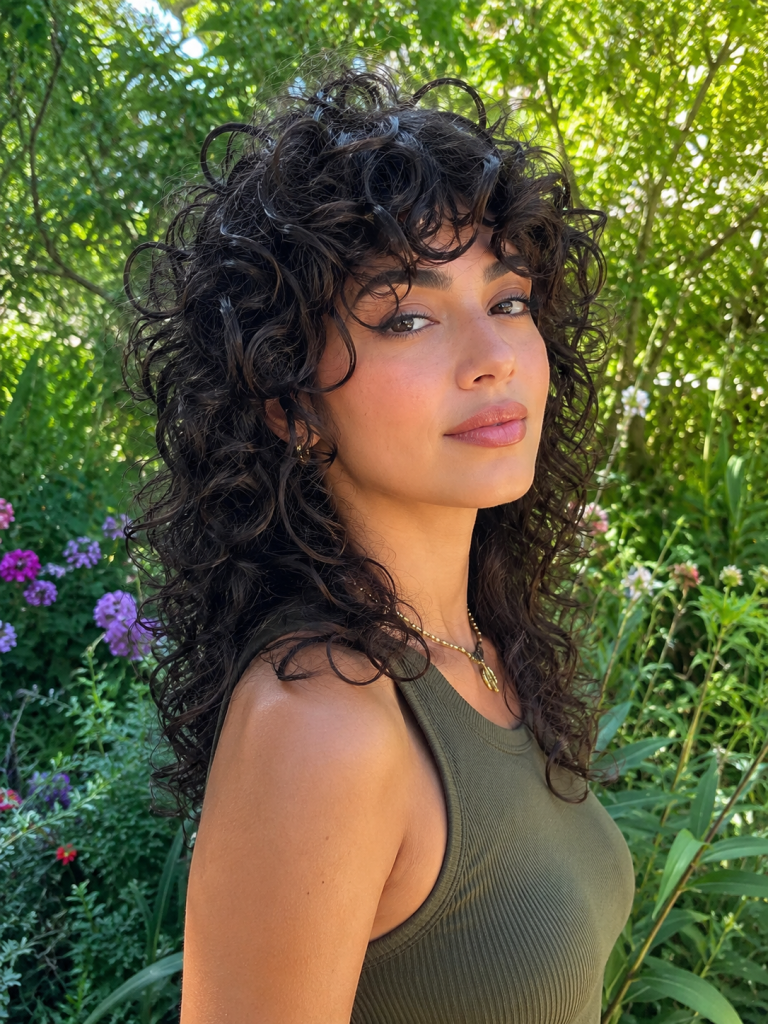
Heavy layering through the crown paired with a longer back creates the signature wolf silhouette on natural curls. The layers reduce bulk while letting individual curls stay defined rather than clumping into one dense shape. A curl cream applied to soaking wet hair before diffusing brings out the cut’s full structure.
Loose Wave Wolf Cut
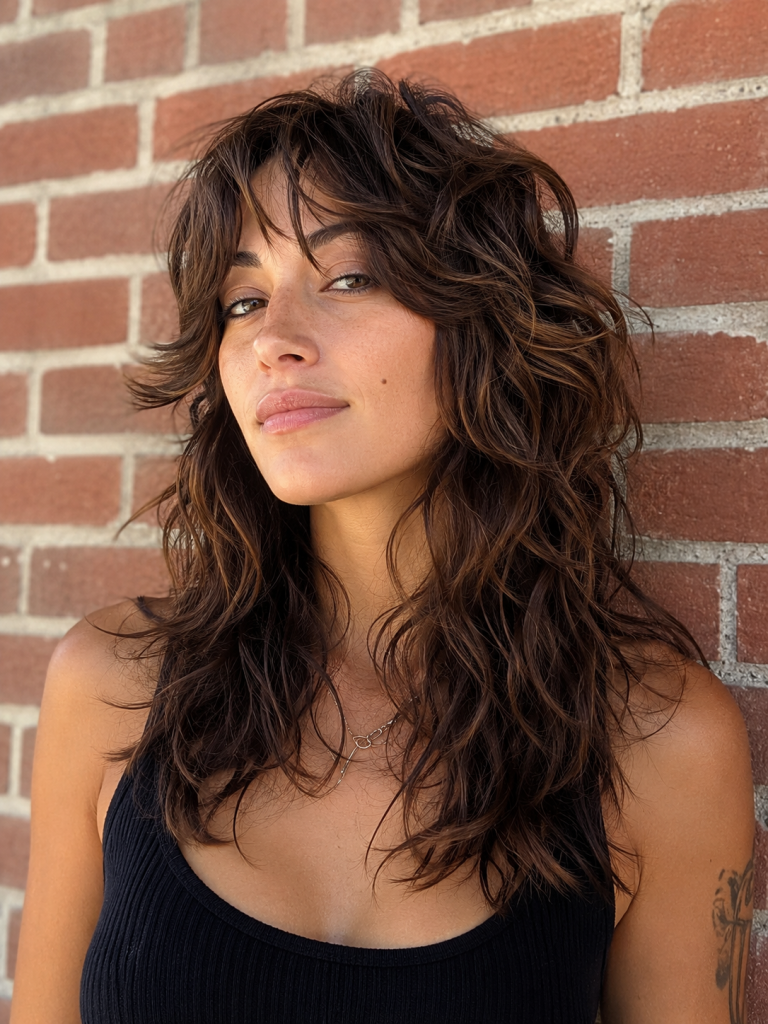
For hair with a looser wave pattern rather than tight curls, the wolf cut’s layering creates movement and prevents the hair from falling flat under its own weight. Scrunch a lightweight mousse through damp hair and air dry or diffuse on low heat for natural, tousled texture throughout.
Tight Coily Wolf Cut
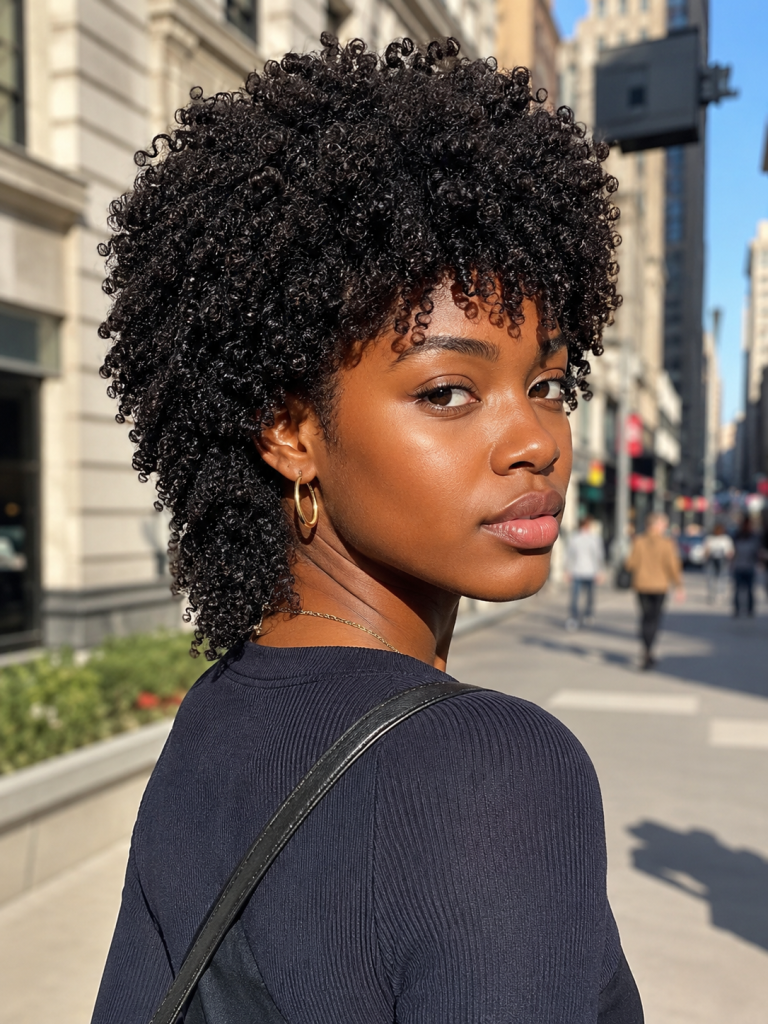
On coily hair, the wolf cut’s crown layers create lift and shape while the slightly longer back keeps the cut from looking too rounded. Define curls with a curl butter or cream on wet hair, then let air dry fully before touching, since coily patterns shrink significantly as they dry.
Wolf Mullet for Curls
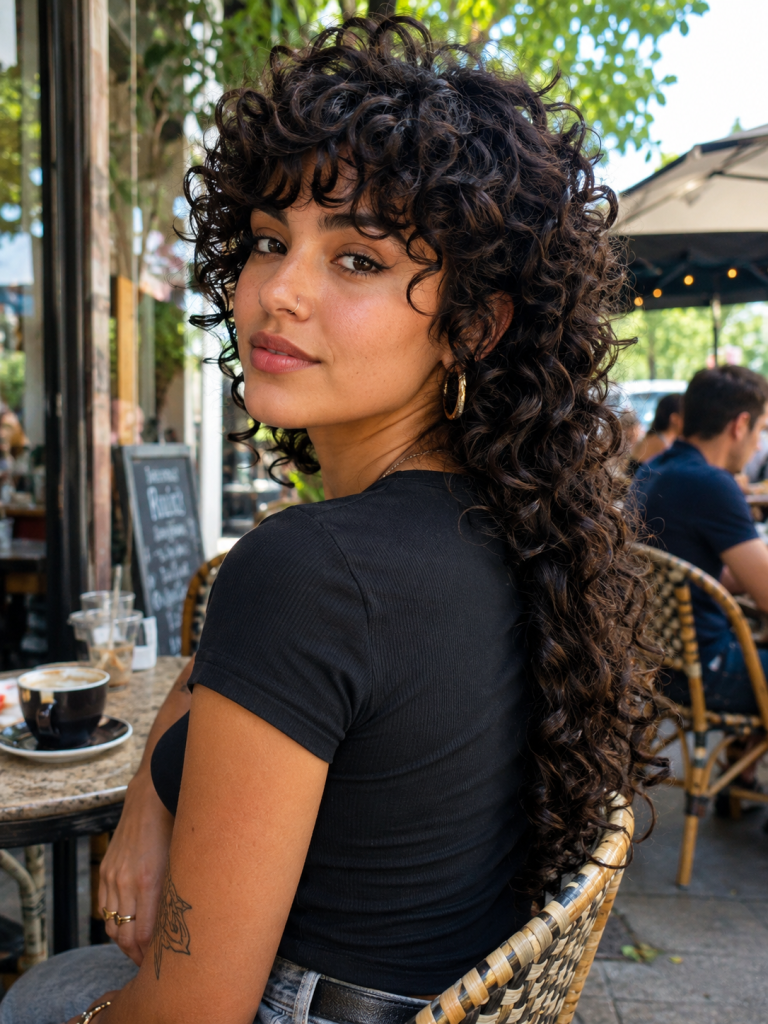
Leaning harder into the mullet side of the hybrid, this version keeps the back noticeably longer while the crown and sides stay short and heavily layered. This creates a bolder, more dramatic silhouette than a standard wolf cut and suits those wanting a statement look rather than something subtle.
Shaggy Curly Wolf Cut
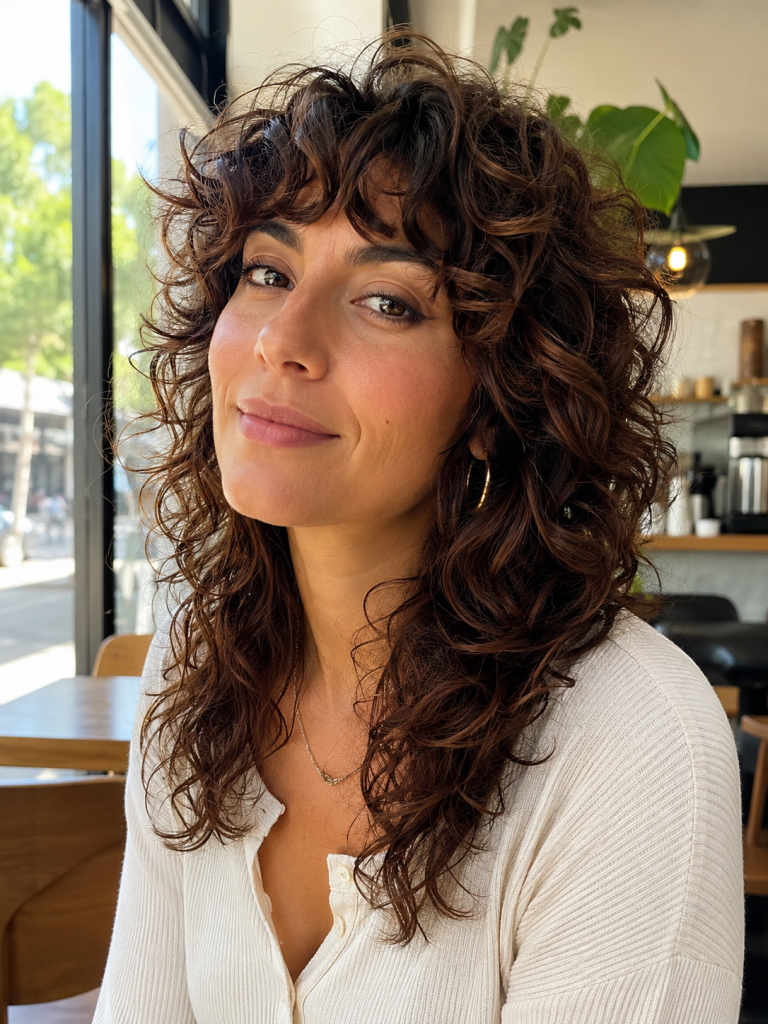
Softer, more feathered layers throughout give this version a gentler take on the wolf cut, less choppy and more blended than the classic style. This works particularly well for those wanting the volume and movement of a wolf cut without as sharp a contrast between the crown and the back.
Curly Wolf Cut with Curtain Bangs
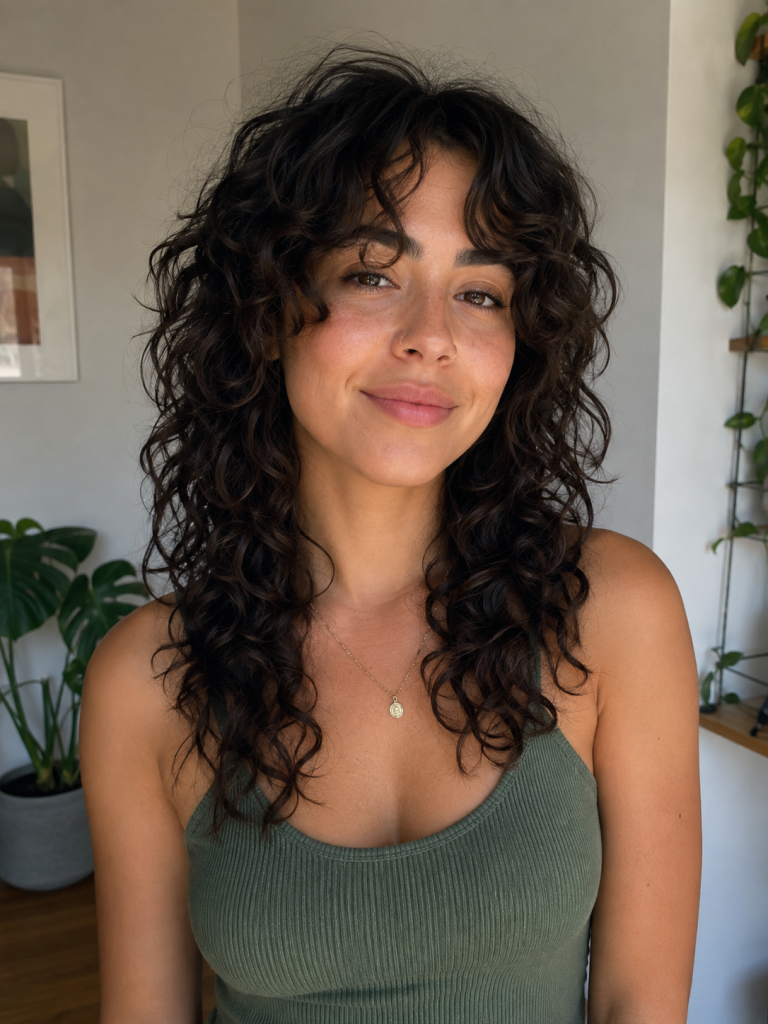
Curtain bangs that part naturally in the middle add face-framing softness to the wolf cut’s overall structure. On curly hair, these bangs typically curl alongside the rest of the layers rather than sitting flat, so expect them to shrink up and frame the face more than they would on straight hair.
Waterfall Wolf Cut
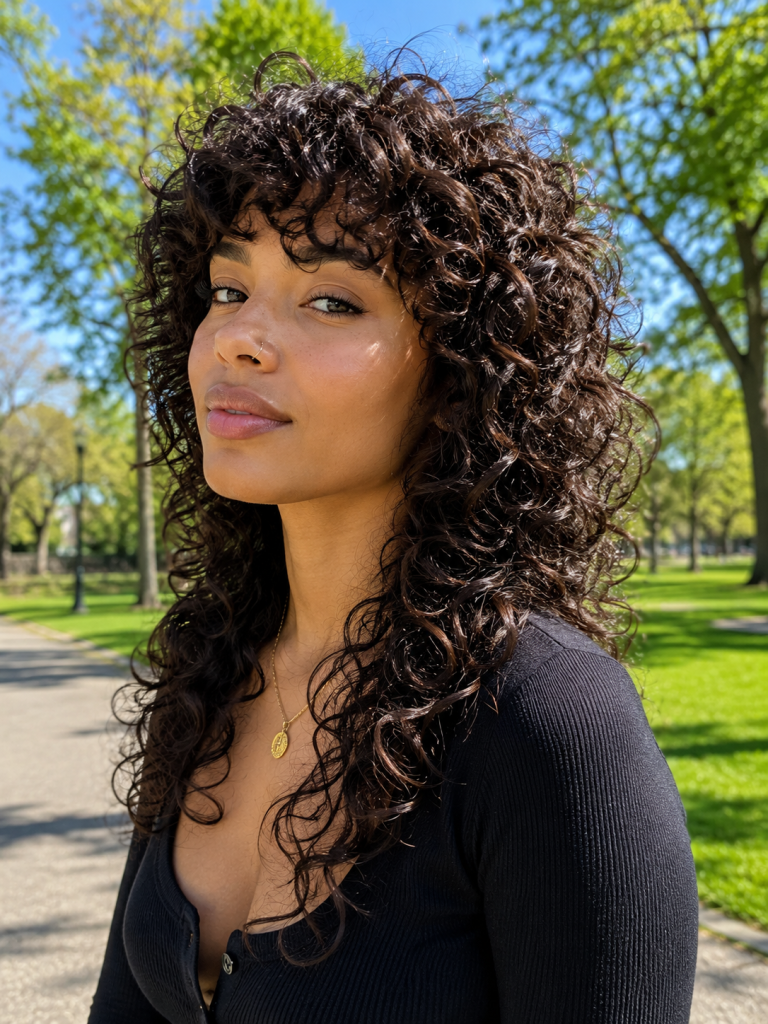
Named for the cascading effect of its layering, this version has shorter pieces at the crown gradually lengthening toward the back, creating a smooth, flowing transition rather than an abrupt length change. This works well for those wanting the wolf cut’s volume without as much visual choppiness.
Korean Wolf Cut for Curls
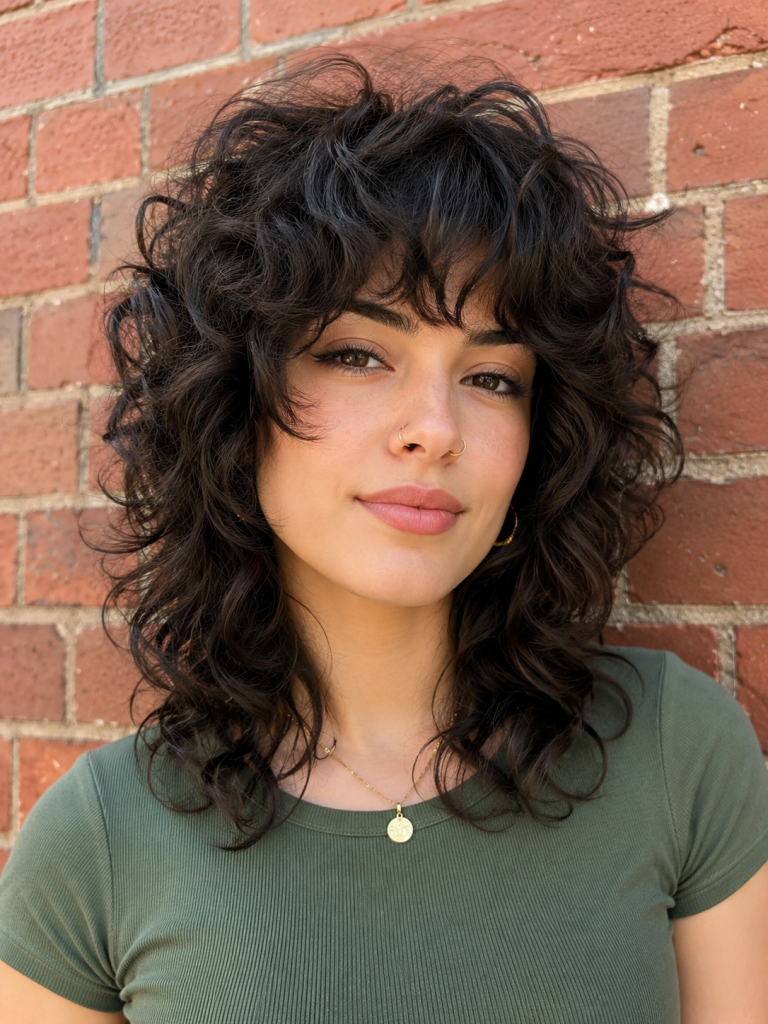
A softer, more rounded take on the wolf cut popularized through Korean styling trends, this version uses face-framing layers and a fuller silhouette through the crown rather than the sharper, choppier layers of the classic Western version. It suits those wanting volume with a softer overall shape.
Color-Melted Curly Wolf Cut
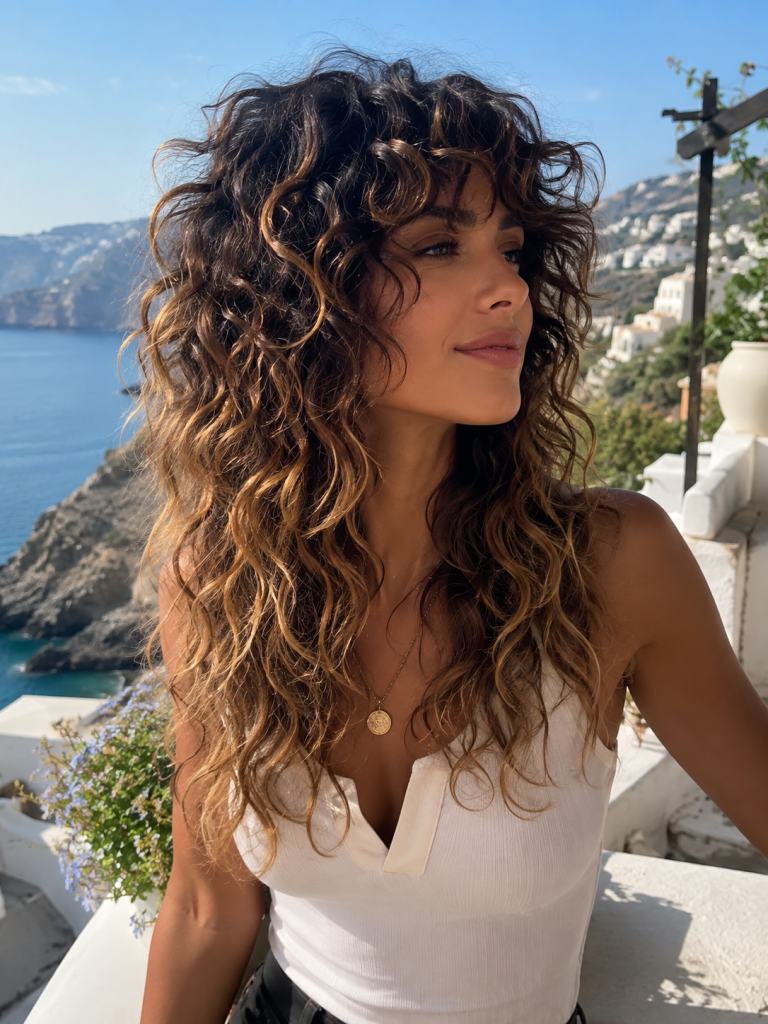
Adding a color melt, where shades blend seamlessly from root to end, emphasizes the wolf cut’s dimensional layering even further. Curly hair shows off color transitions particularly well since each curl catches light and color differently. This works with both natural and vivid color palettes.
Curly Wolf Cut with Undercut
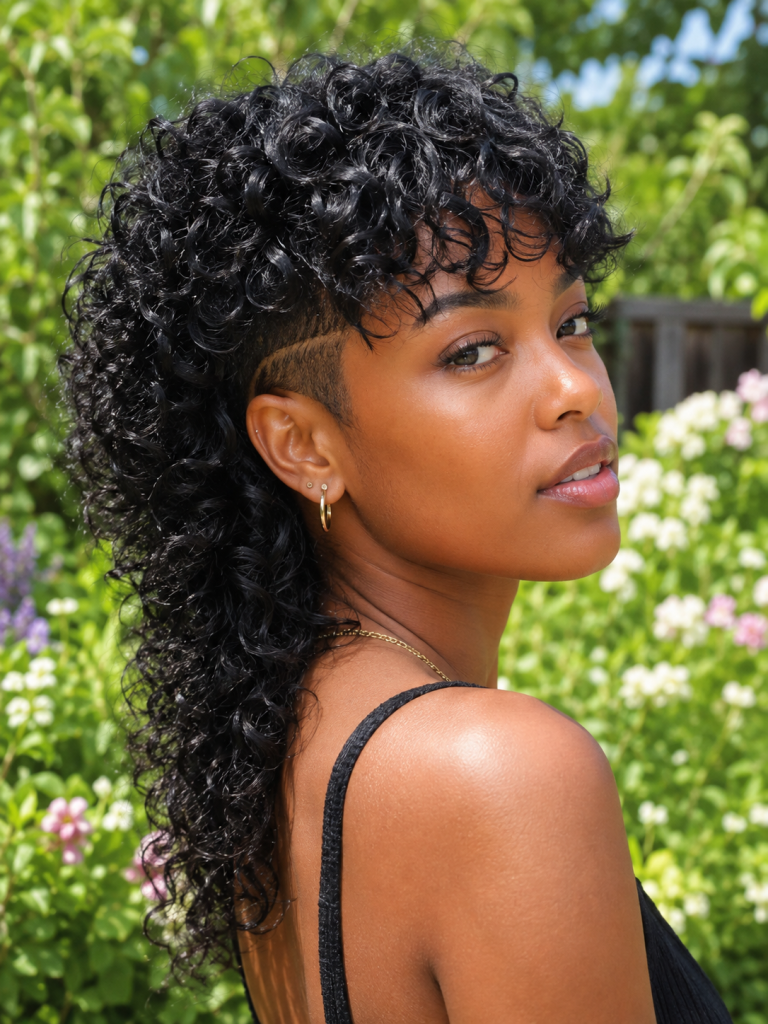
A subtle undercut at the nape paired with the classic wolf cut layering on top reduces bulk further and adds an edgier element to the overall shape. This version works well for thicker curl types that benefit from extra weight removal underneath the visible top layers.
Wolf Cut with Face-Framing Ringlets
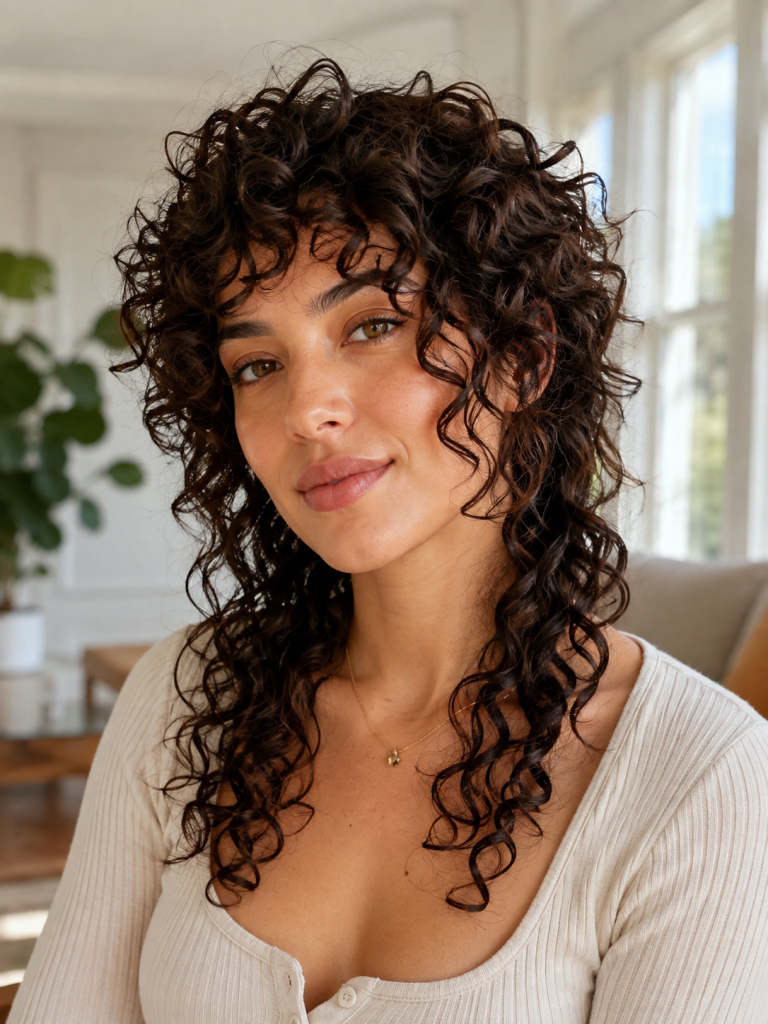
Longer, more defined ringlets left specifically around the face contrast with shorter, choppier layers through the rest of the cut. This draws attention to the curl pattern right where it’s most visible and works particularly well for tighter curl types wanting more definition near the face.
Voluminous Crown Wolf Cut
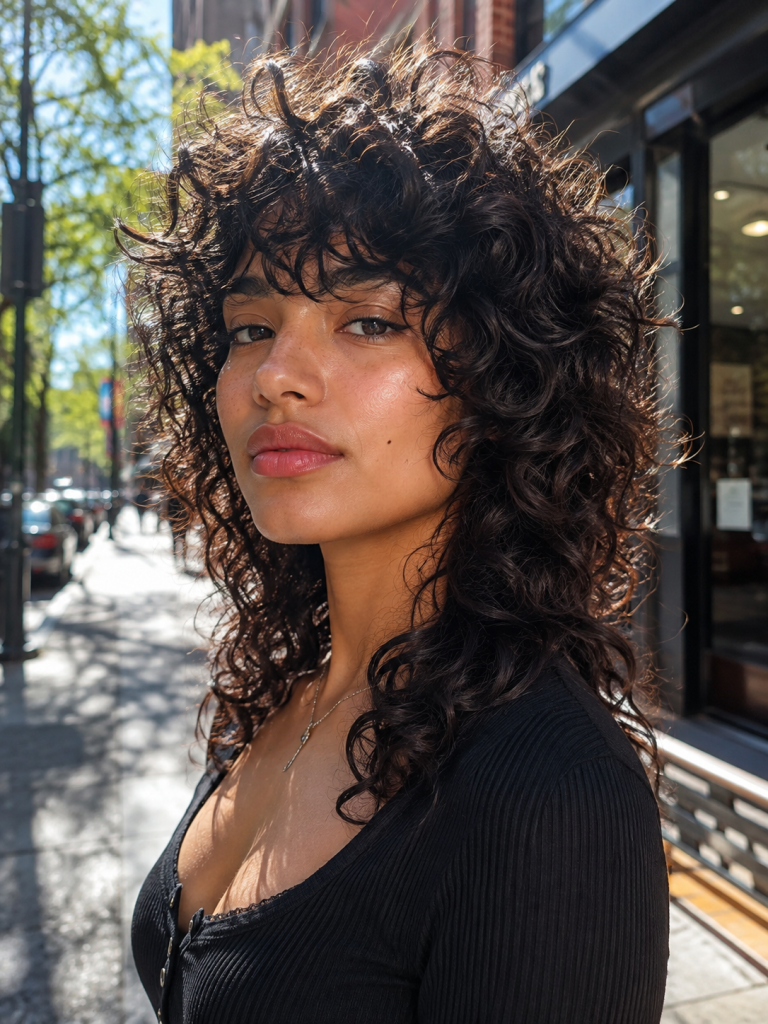
Extra emphasis on the layering at the crown specifically, rather than evenly throughout, creates maximum volume and lift at the very top of the head. This version suits those with looser curl patterns that need more structural help to avoid falling flat, since the crown layering does most of the volumizing work.
Curly Wolf Cut with Long Back
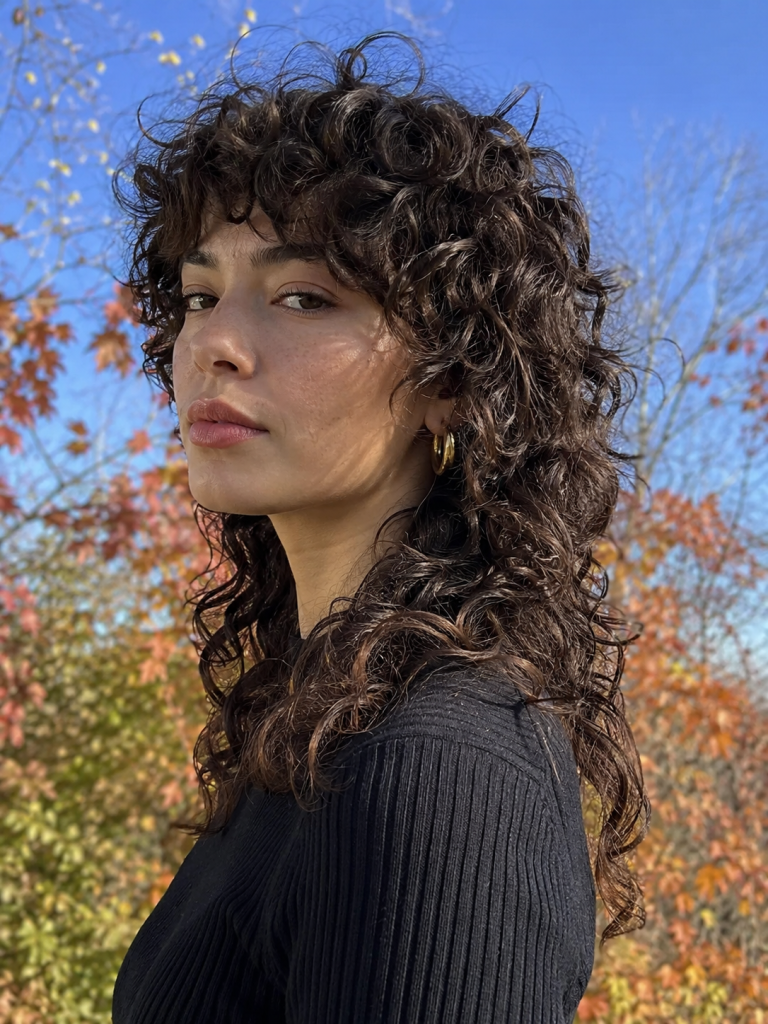
Keeping significantly more length at the back than a standard wolf cut offers a middle ground between this style and a curly shag, retaining more overall length while still getting the crown volume and texture the wolf cut is known for.
Cropped Curly Wolf Cut
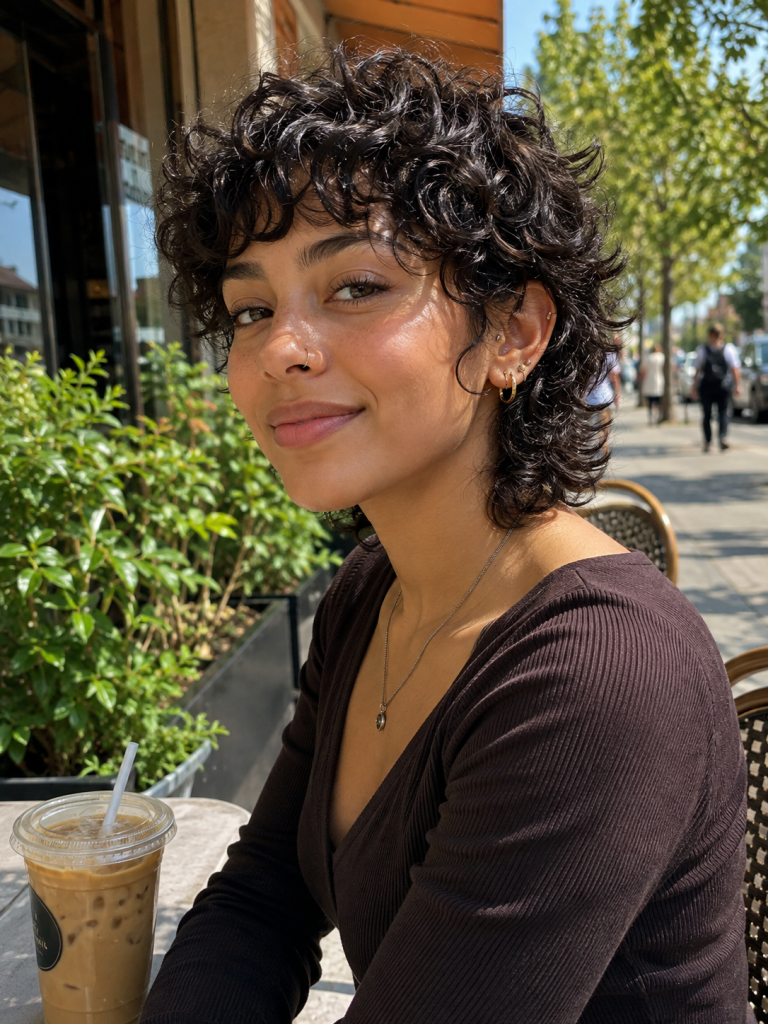
A shorter overall version of the wolf cut, with less length retained at the back, offers a lower-maintenance take on the style for those wanting the layering and volume without managing significant length. This version suits tighter curl patterns especially well, since shrinkage is less of a factor to plan around.
Bangs-Free Curly Wolf Cut
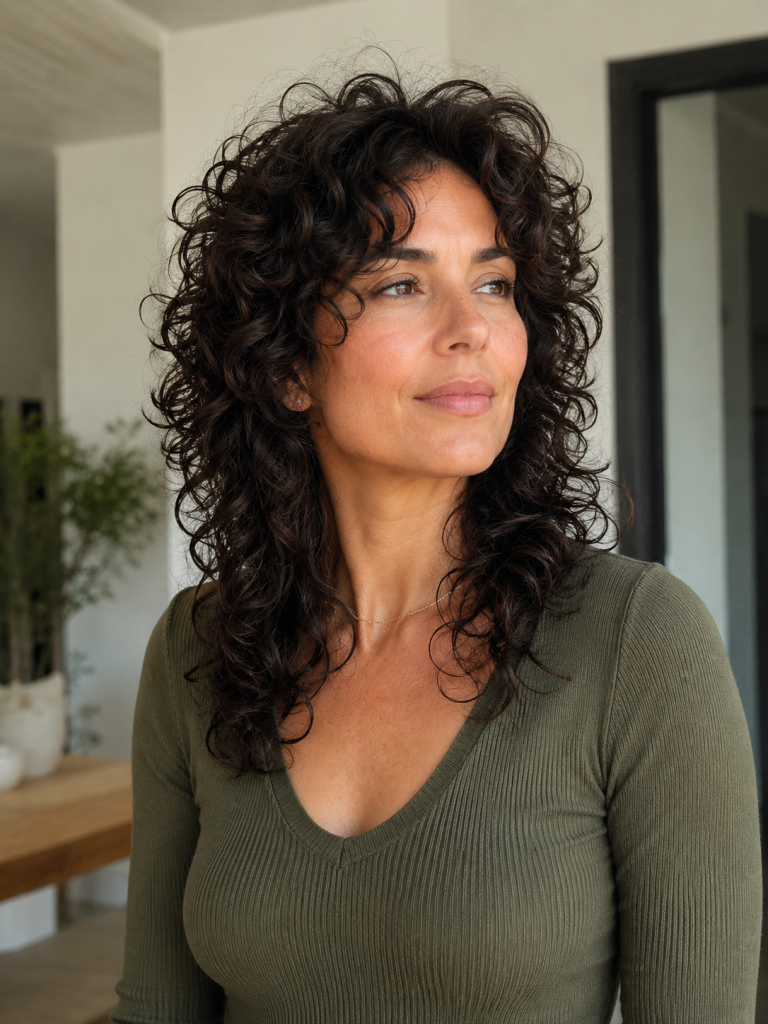
Skipping bangs entirely keeps the face fully open while still delivering the wolf cut’s signature crown volume and layered structure. This version works well for those who’ve grown out a fringe or simply prefer to keep length pulled back off the face without a separate front section to manage.
Curly Wolf Cut with Highlighted Layers
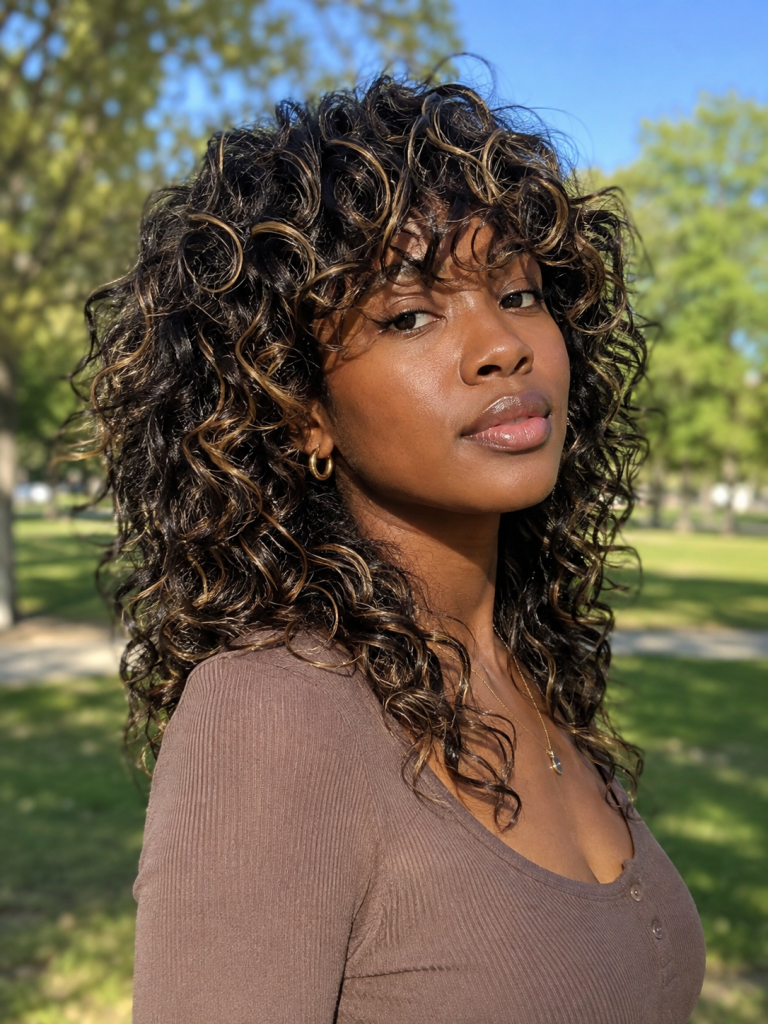
Strategic highlights placed specifically within the wolf cut’s layers rather than throughout the whole head emphasize the cut’s dimensional structure. This technique works especially well on curly hair, where the highlighted pieces catch light differently at every angle as the curls move throughout the day.